
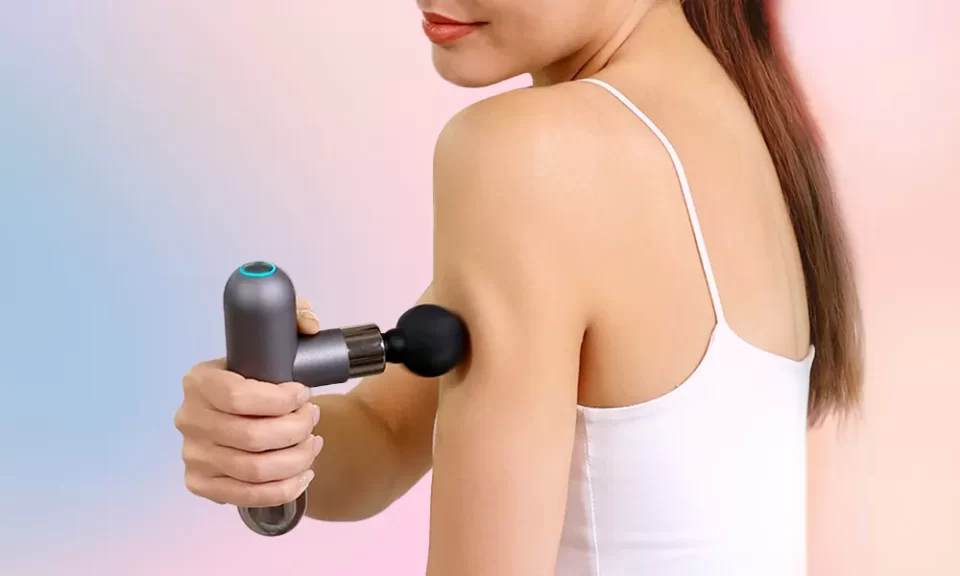
The massage gun sits quietly on Sarah’s desk, nestled between her morning coffee and a stack of quarterly reports, its sleek black surface reflecting the fluorescent lights of another Singapore office tower. For the past three months, this percussive therapy device has become her lifeline—a small act of rebellion against the relentless ache that settles into her shoulders after hours hunched over spreadsheets, a quiet declaration that her body deserves more than the grinding acceptance of workplace pain.
Sarah’s story echoes across Singapore’s corporate landscape, where the boundaries between professional ambition and personal well-being have become increasingly blurred. In a city-state where success is measured in productivity metrics and overtime hours, the rise of portable wellness tools represents something profound: a grassroots movement toward reclaiming bodily autonomy in spaces that have long prioritised output over human comfort.
The Weight of Modern Work
The statistics paint a stark picture of contemporary workplace reality. Seventy per cent of workers responding to national surveys state that their job is very stressful, a figure that carries particular weight in Singapore’s high-pressure business environment. Yet behind these numbers lie individual stories of adaptation, resilience, and the quiet search for relief in increasingly demanding professional spaces.
The therapeutic massage gun, with its rapid percussive movements and targeted pressure, offers what traditional workplace wellness programmes often cannot: immediate, personalised relief that fits into the constraints of modern working life. Unlike scheduled massage appointments or corporate wellness initiatives that require time away from desks, these handheld percussion devices allow workers to address pain and tension in real-time, transforming brief moments of reprieve into opportunities for bodily care.
Research demonstrates that percussive therapy can penetrate up to an inch into soft tissue, stimulating muscles and promoting blood flow in ways that traditional massage techniques achieve. The rapid-strike action of these devices helps break up fascial adhesions—the sticky, restrictive tissue that forms around overused muscles—whilst promoting the circulation necessary for healing and recovery.
The Science of Self-Care
The physiological benefits of muscle recovery tools extend far beyond temporary relief. Studies show that percussive therapy can reduce delayed onset muscle soreness, improve range of motion, and accelerate the removal of metabolic waste products like lactic acid that accumulate during periods of physical stress. For office workers, this translates to meaningful improvements in daily comfort and long-term musculoskeletal health.
Key benefits of therapeutic percussion devices include:
- Improved blood circulation to targeted muscle groups
- Reduced muscle tension and fascial restriction
- Enhanced flexibility and range of motion
- Decreased perception of pain through the neurological gate control
- Faster recovery from physical and postural stress.
Activa’s beauty devices lie not just in their effectiveness, but in their accessibility. Where traditional massage therapy requires scheduling, travel, and significant financial investment, handheld massagers provide immediate relief at the point of need. This democratisation of therapeutic intervention represents a fundamental shift in how individuals can advocate for their physical wellbeing within workplace constraints.
Singapore’s Wellness Awakening
Singapore’s corporate culture is experiencing a quiet transformation regarding employee well-being. Recent surveys indicate that 92% of employers now consider wellness to be part of their overall business strategy, up from 86% the previous year. This shift reflects a growing recognition that sustainable productivity requires sustainable workers—individuals whose bodies and minds are supported rather than simply utilised.
The percussion massager has emerged as a particularly relevant tool in this context. Unlike comprehensive wellness programmes that require organisational commitment and infrastructure, these devices allow individual workers to take immediate action for their comfort and health. They represent a form of personal agency that doesn’t require permission, approval, or corporate initiative.
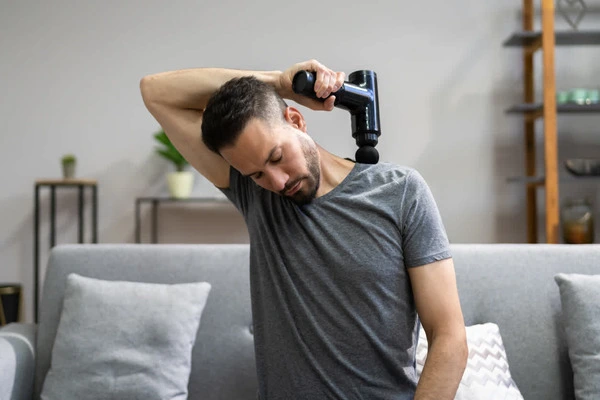
For event organisers and workplace wellness coordinators, the popularity of these devices signals a broader hunger for accessible, practical solutions to workplace-related physical discomfort. The fact that only 12% of employers currently offer massage therapy services to their employees suggests a vast unmet demand for therapeutic interventions in professional settings.
The Ripple Effect
The impact of individual wellness tools extends beyond personal relief. When workers feel physically comfortable and cared for, research shows they demonstrate increased productivity, reduced absenteeism, and greater job satisfaction. The massage gun becomes not just a tool for personal comfort but a catalyst for broader workplace transformation.
The device’s portability allows it to travel from home to office, from gym to desk, adapting to the fluid boundaries of modern work life. This flexibility reflects deeper changes in how we conceptualise workplace wellness—not as a separate category of activity, but as an integrated aspect of daily professional life.
A Quiet Revolution
What emerges from Singapore’s embrace of percussive therapy tools is a story of quiet revolution—individuals taking small but significant steps to prioritise their physical wellbeing within systems that have historically demanded sacrifice of bodily comfort for professional success. The massage gun represents more than a wellness trend; it embodies a shift toward recognising that caring for one’s body is not a selfish indulgence, but necessary maintenance for sustainable productivity and human dignity.
As Sarah reaches for her device during an afternoon break, the gentle whir of the motor mingles with the ambient sounds of office life—keyboards clicking, phones ringing, the soft murmur of colleagues collaborating. In this moment, she is not just addressing muscle tension; she is participating in a broader movement toward reclaiming physical autonomy in professional spaces, one percussion at a time.
The massage gun may be small, but its impact ripples outward, touching individual lives and gradually transforming workplace culture one person, one moment of self-care, and one act of bodily kindness at a time.
