
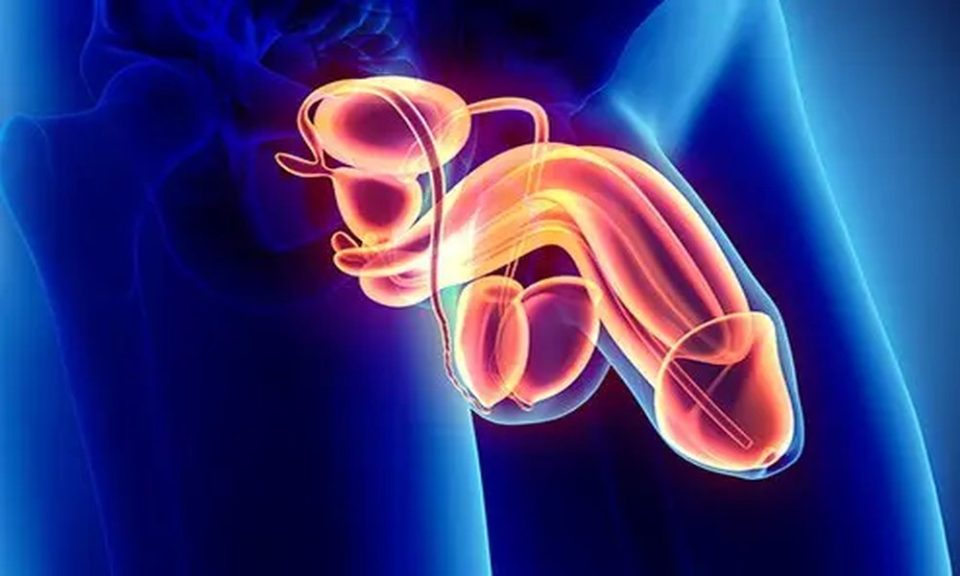
Penile health is an important part of overall men’s health, yet many conditions are not discussed openly due to embarrassment or misunderstanding. Penile issues can range from mild irritation to conditions that require medical attention. Understanding the most common problems, their causes, and when to seek help can make it easier to take the right steps early and prevent complications.
Understanding Common Penile Health Concerns
Penile issues can affect men at different stages of life and may be caused by infections, skin conditions, hormonal changes, or underlying health problems such as diabetes or poor circulation. While some symptoms may be temporary and harmless, others can indicate a condition that needs medical evaluation.
One of the most common concerns is irritation or inflammation of the skin. This may be caused by poor hygiene, allergic reactions to soaps or detergents, or friction. Symptoms often include redness, itching, or mild discomfort. In many cases, improving hygiene habits and avoiding irritants can help resolve the issue.
Infections are another frequent cause of penile issues. These may include bacterial or fungal infections, which can lead to swelling, discomfort, or unusual discharge. Infections often require medical treatment to fully resolve, especially if symptoms persist or worsen over time.
Skin conditions such as dermatitis or psoriasis can also affect the penile area. These conditions may cause dryness, flaking, or patches of irritated skin. Because the skin in this area is sensitive, even mild conditions can feel more uncomfortable and may require specialized treatment.
Causes and Risk Factors Behind Penile Issues
There are several factors that can increase the risk of developing penile issues. Poor hygiene is one of the most common contributors. Not cleaning the area properly can lead to a buildup of bacteria and irritants, increasing the likelihood of infection or inflammation.
Sexual activity can also play a role in certain penile conditions. Some infections are transmitted through sexual contact and may cause symptoms such as pain, irritation, or discharge. Using protection and maintaining safe practices can significantly reduce these risks.
Underlying health conditions are another important factor. Diabetes, for example, can affect blood flow and immune response, making infections more likely and healing slower. Hormonal imbalances may also contribute to changes in skin health and sensitivity.
Lifestyle choices such as smoking and poor diet can negatively affect circulation, which is essential for healthy tissue function. Over time, these habits may increase the risk of developing penile issues or worsen existing conditions.
When Penile Issues Require Medical Attention
While some penile issues are mild and temporary, others may require professional evaluation. Persistent symptoms such as ongoing pain, swelling, or changes in appearance should not be ignored. These may indicate an infection or another condition that needs treatment.
Discharge that is unusual in color or odor is another sign that medical attention may be necessary. Similarly, sores, lumps, or lesions should be evaluated by a healthcare professional to rule out more serious conditions.
Pain during urination or sexual activity is also an important symptom that should be addressed. These issues may be linked to infections or inflammation and often require proper diagnosis and treatment.
Early medical consultation can help prevent complications and ensure effective treatment. Many penile issues are treatable, especially when identified early.
Supporting Penile Health Through Prevention and Care
Maintaining good hygiene is one of the simplest and most effective ways to prevent penile issues. Regular washing with mild, non-irritating products can help reduce the risk of infection and irritation. Wearing breathable clothing and keeping the area dry can also support healthy skin.
Safe sexual practices are equally important. Using protection and maintaining open communication with partners can help reduce the risk of infections. Regular health checkups can also assist in early detection of any underlying issues.
A healthy lifestyle supports overall circulation and immune function, which are essential for genital health. Balanced nutrition, regular exercise, and avoiding harmful habits like smoking can contribute to long-term well-being.
Penile issues are more common than many people realize, and most are manageable with proper care and attention. Understanding the symptoms and knowing when to seek help can make a significant difference in maintaining both comfort and confidence.
