
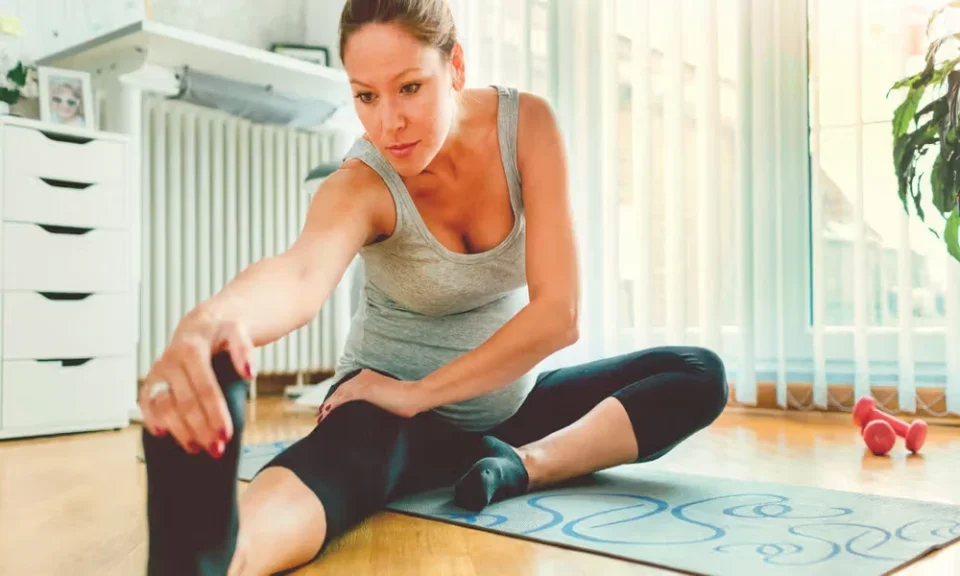
A peaceful evening can end with sudden calf tightness instead of restful sleep. One painful squeeze often leaves lingering stiffness before sunrise arrives. Simple daily choices shape muscle comfort more than people expect. Food, movement, hydration, and rest each play a meaningful role. Lasting relief begins with noticing personal patterns instead of chasing quick fixes. Those steady observations often reduce leg cramps at night while making everyday movement feel easier.
Why Does Sudden Leg Tightness Happen So Quickly?
Muscles rely upon steady signals throughout every ordinary activity. Even minor changes can interrupt smooth movement without warning. A long drive offers one common example for many adults. Limited motion allows tissue to remain shortened for extended periods. Rising from the seat may trigger immediate tightening inside the calf. Similar discomfort appears after vigorous exercise without enough fluid replacement. Each situation shares one important feature. The affected area struggles because normal balance becomes disrupted. Early attention often prevents repeated episodes before they become familiar.
Everyday Habits Shape Muscle Comfort More Than Expected
Small adjustments create meaningful change across ordinary weeks. Lasting improvement rarely depends upon one dramatic action alone. Instead, steady habits gradually encourage relaxed movement through everyday life.
Helpful ideas include:
- Stretch calves before bedtime.
- Walk briefly after prolonged sitting.
- Drink water across daylight hours.
- Choose balanced meals with varied foods.
- Wear comfortable footwear every day.
Each suggestion addresses a different influence upon muscle performance. Combined efforts create stronger results than isolated changes. Daily consistency often matters more than occasional effort. People noticing gradual improvement frequently continue those habits because comfort becomes easier to maintain.
Can Evening Choices Affect Overnight Comfort?
Evening behavior influences muscle condition before sleep begins. Gentle stretching prepares tight areas for longer periods of rest. Warm showers may relax stiff tissue after active afternoons. Heavy physical effort immediately before bed sometimes leaves muscles feeling tense. Balanced recovery encourages smoother relaxation throughout sleeping hours. People facing leg cramps at night often discover simple bedtime adjustments reduce repeated interruptions. Those changes require little extra time, yet they fit naturally into familiar evening schedules.
Paying Attention Creates Smarter Decisions
Physical signals deserve careful observation before discomfort grows stronger. Patterns often reveal useful clues across ordinary weeks. One person notices tightening after gardening every weekend. Another experiences soreness following lengthy office meetings. Those different examples highlight individual triggers instead of identical causes. Keeping brief notes helps connect daily activities with later symptoms. Personal awareness often guides better choices without unnecessary guesswork.
Watch for situations like these:
- Repeated tightening after extended standing.
- Lingering soreness following light activity.
- Discomfort returning during identical tasks.
- Restless sleep across consecutive nights.
Recognizing those patterns allows earlier adjustments before repeated disruption becomes familiar.
Food and Fluids Work Together Naturally
Meals influence muscle comfort throughout ordinary daily life. Fresh fruit offers valuable nutrients supporting natural body function. Leafy vegetables provide another helpful addition during regular meals. Dairy products contribute useful minerals through familiar foods. Nuts and beans expand healthy options without adding complexity. Water deserves equal attention because fluid balance matters every day. Someone replacing sugary drinks with water often notices improved comfort over time. Balanced eating works alongside movement instead of replacing healthy daily habits.
Common Questions About Leg Cramp Management
Can stretching help before sleep?
Gentle stretching often eases tight muscles before bedtime.
Does sitting too long increase discomfort?
Extended sitting may encourage unwanted muscle tightening later.
Should water intake stay consistent daily?
Regular hydration helps muscles function with greater comfort.
Can walking reduce repeated cramping?
Light walking encourages relaxed movement after prolonged sitting.
Comfortable Movement Grows Through Steady Daily Choices
Real improvement develops through repeated actions rather than dramatic changes. Stretching before sleep, walking during long sitting periods, and choosing balanced meals each influence comfort differently. Personal notes reveal patterns hidden within ordinary routines. Those observations create lasting value because future decisions become guided by experience instead of frustration. Over time, steady attention brings calmer nights and freer movement across everyday life.
