
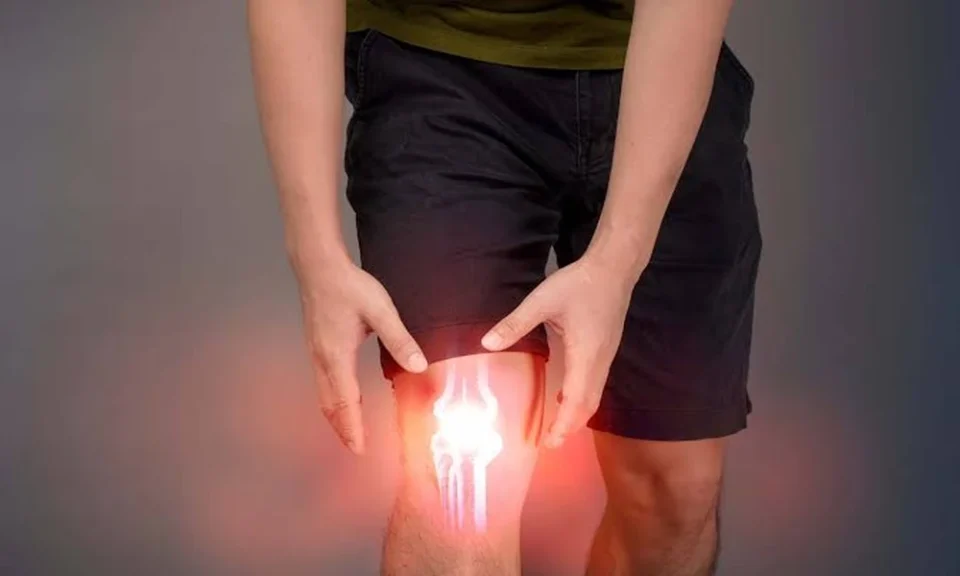
Having pain in your lower back is especially scary when it spreads to your hips, thighs, legs, or feet. This kind of pain can make it hard to walk, keep your balance, and do other everyday things. It can even make easy things harder than usual. Radiating leg pain is often caused by problems with the spine, but it can also be caused by muscle problems, joint problems, and other medical conditions. People can make better choices about their spinal health if they understand these less obvious causes and look into the best ways to treat them.
Piriformis Syndrome and Deep Muscle Irritation
A small muscle called the piriformis is deep in the buttock. It lets the hips move and keeps the pelvis stable while walking and doing other physical activities. If this muscle gets tense or irritated, it may make the area around the sciatic nerve hurt.
People experiencing piriformis related pain often describe tenderness in the buttock, discomfort during prolonged sitting, and pain extending toward the back of the thigh. Unlike some spinal conditions, symptoms may originate primarily around the hip rather than the lower back.
Treatment may include targeted stretching, strengthening exercises, activity adjustments, and physical therapy. A careful examination is important because piriformis syndrome can resemble other nerve related conditions.
Sacroiliac Joint Dysfunction and Referred Pain
The sacroiliac joints connect the lower spine to the pelvis and help transfer weight between the upper body and legs. When these joints become irritated or move abnormally, they may produce discomfort in the lower back, buttocks, hips, and occasionally the thighs.
Patients sometimes feel more pain when going up or down stairs, standing on one leg, or going from sitting to standing. Because these symptoms are similar to those of other spinal problems, a full physical exam is needed to make a determination.
A Denver back specialist can evaluate whether the discomfort originates from the spine, surrounding muscles, or sacroiliac joints. Depending on the diagnosis, treatment may involve stabilization exercises, physical therapy, medications, or carefully selected injections.
Spondylolisthesis and Changes in Spinal Alignment
Spondylolisthesis develops when one vertebra shifts forward relative to the vertebra beneath it. This displacement may occur because of degenerative changes, repetitive stress, or structural abnormalities within the spine.
Some individuals experience no symptoms, while others develop lower back pain, leg discomfort, muscle tightness, or difficulty standing for extended periods. When the displaced vertebra contributes to nerve compression, symptoms may travel farther down the legs.
Medical management depends on the degree of displacement, neurological findings, and severity of symptoms. Strengthening exercises, activity modification, and supervised rehabilitation may improve function. Surgery may be considered when significant nerve compression or persistent disability is present.
Peripheral Neuropathy and Nonspinal Nerve Problems
Lower back pain isn’t always the cause of leg pain. Peripheral neuropathy affects nerves that are not in the brain or spinal cord. It can make the legs and feet feel hot, numb, tingly, or weak.
Diabetes, vitamin deficiencies, certain medications, and other medical conditions can contribute to peripheral nerve damage. Symptoms may affect both feet in a relatively symmetrical pattern, although presentations vary.
Distinguishing peripheral neuropathy from spinal nerve compression is important because treatment approaches differ. Blood tests, neurological examinations, and nerve conduction studies may help identify the underlying cause when clinically appropriate.
Movement Patterns That Can Aggravate Radiating Pain
Everyday movement habits can influence the severity of existing back and leg discomfort. Repeated heavy lifting, prolonged sitting, sudden twisting movements, and inadequate recovery between physically demanding activities may increase stress on sensitive tissues.
However, avoiding all physical activity is rarely the best long term solution. Extended bed rest can contribute to muscle weakness and reduced mobility.
A structured movement program generally focuses on maintaining comfortable activity levels while gradually improving strength, flexibility, and endurance. Patients may also benefit from learning safer lifting techniques and adjusting workstations to reduce unnecessary strain.
Understanding the Role of Electrodiagnostic Testing
When symptoms do not clearly indicate whether a nerve problem originates in the spine or elsewhere, clinicians may recommend electrodiagnostic testing.
Electromyography measures electrical activity within muscles, while nerve conduction studies evaluate how effectively electrical signals travel through peripheral nerves. These tests can help distinguish certain nerve root disorders from peripheral nerve conditions.
They are not necessary for every patient. Their usefulness depends on the symptoms, physical examination findings, and diagnostic questions that remain unanswered.
Building a Personalized Recovery Plan
Successful treatment requires more than temporarily reducing discomfort. A comprehensive recovery plan considers the underlying diagnosis, physical limitations, daily activities, and individual treatment goals.
Rehabilitation may focus on strengthening abdominal and back muscles, improving hip mobility, restoring walking tolerance, and developing sustainable movement habits. Clinicians may also recommend appropriate medications or targeted interventions when symptoms limit participation in rehabilitation.
Regular follow up appointments allow healthcare professionals to assess progress and modify treatment when necessary. Patients should report new weakness, worsening numbness, or significant changes in symptoms promptly.
Conclusion
Back pain that extends into the legs can arise from several conditions beyond commonly recognized spinal disc problems. Piriformis related irritation, sacroiliac joint dysfunction, spinal alignment changes, and peripheral nerve disorders may all contribute to similar symptoms. Identifying the actual source of discomfort is essential for choosing appropriate treatment. Through careful diagnosis, individualized rehabilitation, and ongoing medical guidance, patients can work toward better mobility, improved physical function, and more effective long term pain management.
