
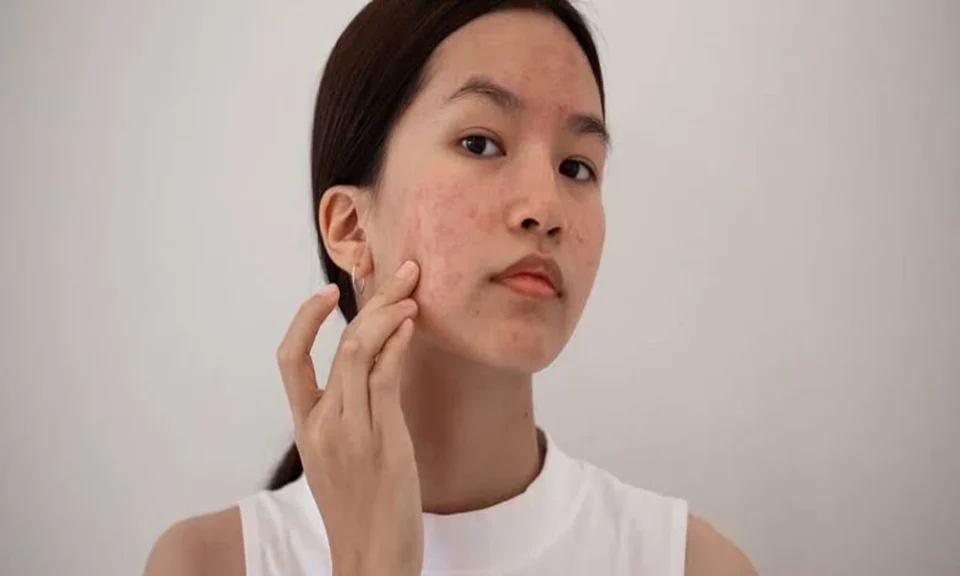
Many individuals feel their dermatological concerns are dismissed as superficial. A report from the All-Party Parliamentary Group on Skin highlighted the devastating effect skin disease can have on psychological wellbeing.
The skin is our body’s largest organ. It is deeply connected to the nervous system and acts as a primary interface with the world. How our complexion appears can shape how others perceive us.
When dermatological conditions flare up, the emotional impact is often profound. This can lead to significant feelings of anxiety and low mood. Persistent issues like acne are frequently mischaracterised as a minor phase.
In reality, they cause serious emotional pain for people of all ages. The body reacts to emotional stress by releasing hormones like cortisol. This can directly trigger or worsen various skin conditions.
Seeking professional support early is essential. The effect on one’s life can be as debilitating as other chronic health problems. Recognising this intrinsic link requires a holistic approach to treatment and care.
Key Takeaways
- Skin ailments are not merely cosmetic; they can severely affect psychological wellbeing.
- The skin is our body’s largest organ and a key part of how we interact with the world.
- Persistent dermatological problems can lead to feelings of anxiety and low mood.
- Societal judgement often worsens the emotional distress associated with visible symptoms.
- Stress hormones can directly provoke or exacerbate flare-ups.
- Early intervention is crucial to prevent a debilitating cycle.
- Effective care requires a compassionate, integrated approach.
The Interplay Between Mental Wellbeing and Skin Condition
The connection between emotional distress and dermatological flare-ups is not just anecdotal; it is a recognised clinical phenomenon. Consultant health psychologist Dr Sue Peacock notes the relationship is complex, often involving psychosomatic factors that affect daily life.
Impact on Self-Esteem and Social Interactions
Visible symptoms can severely damage self-esteem. Research, such as the 2007 Basra and Finlay study, highlights how skin conditions like acne or vitiligo lead to social anxiety and embarrassment.
Psoriasis, causing scaly patches, often results in feelings of isolation. Eczema brings relentless itching, disrupting sleep and eroding confidence. Rosacea triggers anxiety about facial appearance in social settings.
This constant fear of judgement from others frequently leads to avoidance behaviours and withdrawal.
The Emotional and Physical Health Cycle
A vicious loop often develops between mind and body. The common itch-scratch cycle sees physical discomfort lead to skin damage, worsening psychological distress.
Chronic pain from problems like hidradenitis suppurativa significantly reduces quality of life. Understanding this mind-skin relationship is crucial for breaking the cycle of low mood and anxiety.
| Condition | Primary Psychosocial Impact |
|---|---|
| Psoriasis | Feelings of isolation and a toll on self-esteem |
| Eczema | Sleep disruption and damaged confidence |
| Rosacea | Anxiety about facial appearance |
| Acne / Vitiligo | Social anxiety and embarrassment |
Effective support must therefore address both the physical symptoms and the emotional feelings of shame that accompany chronic conditions.
Understanding Depression and Skin Health UK
Academic inquiry into psychodermatology has evolved, moving from anecdotal observation to robust clinical evidence. This progression highlights the critical relationship between psychological and dermatological wellbeing.
Historical Insights and Recent Research
A pivotal 2003 study by Gupta and Gupta confirmed a high prevalence of psychiatric co-morbidity among patients with chronic skin conditions. This foundational research established that these issues are far more than surface-level.
Further investigation by Picardi et al. in 2005 demonstrated how stress and poor social support fuel the cycle of psoriasis flare-ups. These historical insights underscore the importance of a combined approach to care.
Modern studies continue to build on this. Research into vitiligo, for example, details the profound social isolation and distress caused by changes in appearance. Similarly, acne and rosacea are recognised as problems requiring comprehensive medical and psychological treatment.
Today, integrating therapy into dermatological management is seen as essential. This holistic model aims to break the cycle of physical symptoms and emotional pain, ultimately improving a person’s overall quality of life.
Psychodermatology: The Science Behind the Skin-Mind Connection
A 2018 clinical manual formally established the role of a new specialist: The Psychodermatologist. This marks a shift towards evidence-based, integrated care. The field now provides a clear framework for understanding how mental health directly influences dermatological wellbeing.
Biological Mechanisms of Stress and Skin Inflammation
Scientific research confirms a direct biological pathway. Stress triggers the body to release cortisol. This hormone directly increases inflammation in skin conditions like acne or psoriasis.
It compromises the skin’s barrier function. This makes existing problems worse and can trigger new flare-ups. Understanding this mechanism is key to effective treatment.
Role of Expert Care in Holistic Treatment
Expert care involves a multidisciplinary approach. The treatment plan addresses both physical symptoms and underlying anxiety. A specialist helps people manage the relationship between their psychological state and their skin’s appearance.
This professional support is vital for regaining confidence. It prevents the escalation of distress into more severe depression.
Innovative Research and Clinical Advances
Modern advances allow therapy to be integrated into standard dermatological care. This holistic model aims to break the cycle of stress and inflammation. It significantly improves a person’s overall quality of life.
The focus is on treating the whole individual. This ensures the right help for both mind and complexion.
Practical Strategies for Managing Skin and Mental Health
A holistic approach to dermatological wellbeing addresses both the visible symptoms and the invisible emotional burden they carry. Practical steps can empower individuals, improving their overall quality of life. This involves integrating daily habits with professional support.
Holistic Treatment Approaches and Lifestyle Changes
Lifestyle adjustments form a cornerstone of management. An anti-inflammatory diet, for example, can help reduce the severity of psoriasis and rosacea flare-ups today.
Managing stress through mindfulness is another powerful tool. It helps people break the distressing cycle where anxiety worsens their skin. Psychological strategies, like Cognitive Behavioural Therapy, are proven to manage the anxiety linked to chronic skin conditions.
Professional Support and Tailored Therapy with Surgical Arena Ltd
Seeking expert care is crucial for a tailored plan. Providers like Surgical Arena Ltd offer consultations that focus on the emotional weight of skin concerns alongside medical treatment.
This comprehensive support helps manage specific conditions, from acne to vitiligo. Addressing the embarrassment and impact on appearance leads to regained confidence. Regular check-ins monitor physical progress and emotional wellbeing, ensuring help for the whole person.
Conclusion
A comprehensive treatment plan must consider the individual’s emotional landscape alongside their physical symptoms. Addressing this intrinsic link is vital for long-term mental health and physical wellbeing.
People should feel empowered to seek professional support. Organisations like Surgical Arena Ltd can help manage both dermatological and emotional health. It is essential to remember you do not have to face these challenges alone.
By treating the mind and skin together, one can break the cycle of anxiety and chronic skin conditions like acne or psoriasis. With the right holistic approach, it is possible to manage your condition and regain confidence.
