
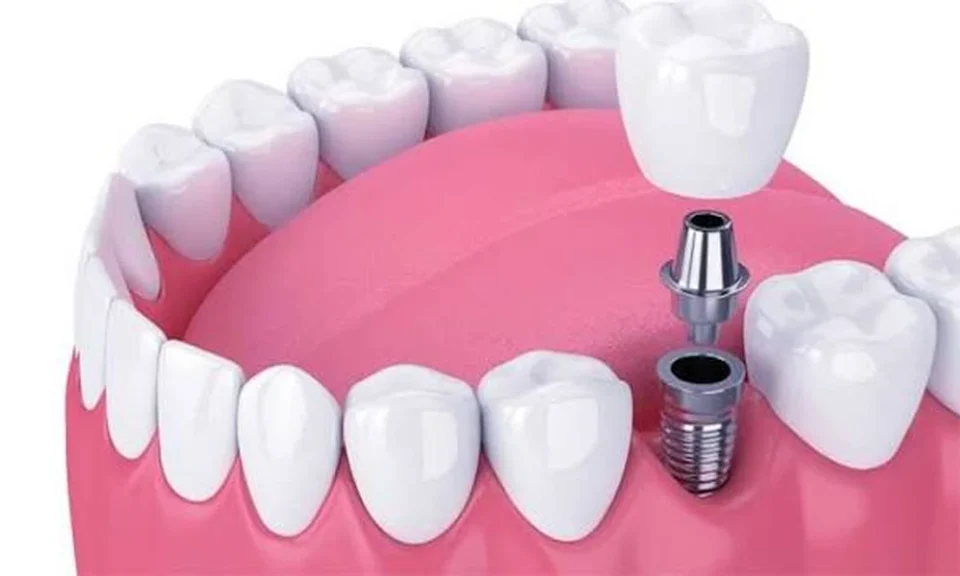
Selecting dental implants is an important choice, particularly when replacing many teeth or a whole set of teeth. In comparison to detachable solutions, implants may feel more natural and offer a stable base for artificial teeth. But it’s as crucial to comprehend the financial aspect of therapy. The patient’s oral health, treatment needs, materials, and preferred dentist can all affect the final cost, which is composed of many components.
Before moving forward with treatment, patients often research the full dental implants cost to understand the potential financial commitment involved. The total expense can vary considerably depending on how many teeth need to be replaced, the type of implant-supported restoration selected, the materials used, and whether additional procedures are necessary. Reviewing these factors with a dentist and requesting a detailed treatment estimate can make it easier to understand the expected expenses and plan accordingly.
2. THE INITIAL CONSULTATION AND ASSESSMENT
The dentist must assess the state of the teeth, gums, and jawbone before starting implant treatment. This might entail three-dimensional scans, dental X-rays, or a physical examination. These evaluations assist the dentist in determining the accessible bone and implant placement. Patients should clarify if consultation and diagnostic fees are part of the treatment package or invoiced separately when talking about the cost.
3. NUMBER OF TEETH BEING REPLACED
The degree of tooth loss is one of the most important elements influencing the final cost. Restoring many lost teeth calls for a different strategy than replacing a single tooth. Individuals lacking teeth in a complete arch may think about full-arch treatments, while individuals with some missing teeth may be candidates for an implant-supported bridge.
4. IMPLANT AND RESTORATION MATERIALS
The materials used for treatment have an impact on the ultimate cost. Different manufacturers provide dental implants, and different materials can be used to create replacement crowns and bridges. The final repair may be made with strength, aesthetics, or both in mind. Patients should understand why a specific material has been selected and question their dentist about their options.
5. PROFESSIONAL EXPERIENCE AND CLINIC FACILITIES
Treatment costs may vary depending on the dentist’s experience and the clinic’s amenities. Precise placement and meticulous planning are essential for implant surgeries, especially when many implants are involved. The total quote may also include advanced imaging technology, contemporary surgical facilities, laboratory tests, and follow-up care.
6. UNDERSTANDING THE COMPLETE QUOTATION
Unforeseen costs can be avoided with a thorough quote. Patients should enquire as to whether consultations, scans, surgery, temporary teeth, permanent restorations, follow-up appointments, and any required revisions are included in the given price. Asking about potential extra costs in the event that the treatment plan changes is also helpful.
7. CONCLUSION
Planning the course of treatment can be made simpler by being aware of the costs associated with dental implants. There isn’t a single number that can adequately reflect every situation because costs differ from patient to patient. Patients may better understand how their money is being spent with the assistance of an expert dentist, a clear treatment plan, and upfront pricing. A more sensible long-term decision may result from looking beyond the initial cost and taking into account the quality, durability, comfort, and support offered.
