
Whether you’re an athlete, a weekend walker, a gym enthusiast, or someone who enjoys an active lifestyle, aches and sprains are an unfortunate part of life. Even everyday activities such as gardening, lifting heavy shopping bags, or spending long hours at a desk can leave muscles feeling tight, sore, and uncomfortable.
While many minor injuries improve over time, the right recovery approach can significantly affect how quickly you return to feeling your best. One treatment that has gained widespread recognition for supporting recovery is sports massage. Far from being reserved for professional athletes, sports massage is an effective therapy for anyone experiencing muscular discomfort, stiffness, or soft tissue injuries.
In this article, we’ll explore the causes of aches and sprains, the importance of proper recovery, and how sports massage can play an important role in helping your body heal.
Understanding Aches and Sprains
Although they are often mentioned together, aches and sprains are not quite the same.
Muscle aches usually develop due to overuse, delayed-onset muscle soreness (DOMS), poor posture, repetitive movements, or prolonged inactivity. They can range from mild stiffness after exercise to persistent discomfort that limits everyday movement.
A sprain, on the other hand, occurs when a ligament, the strong band of tissue connecting one bone to another, is stretched or torn. Sprains commonly affect the ankles, wrists, knees, and thumbs and often happen during sports, slips, trips, or sudden twisting movements.
Common symptoms of sprains include:
- Pain around the joint
- Swelling
- Bruising
- Reduced range of motion
- Difficulty bearing weight or using the affected joint
Many people also experience strains, which involve injury to muscles or tendons rather than ligaments. Both strains and sprains can benefit from appropriate rehabilitation once the initial injury has settled.
The Importance of Proper Recovery
When discomfort begins to ease, it’s tempting to return immediately to your normal routine. However, rushing recovery can increase the risk of reinjury and prolong healing.
The body’s healing process occurs in several stages:
Inflammation: During the first few days, the body increases blood flow to the injured area, causing swelling and tenderness.
Repair: New tissue begins to develop, replacing damaged muscle fibres or connective tissue.
Remodelling: Over several weeks, the new tissue strengthens and adapts to everyday movement and activity.
Supporting each stage with sensible movement, good nutrition, hydration, adequate sleep, and appropriate therapy helps promote a smoother recovery.
Early Care for Minor Sprains and Strains
For mild injuries, early management is important.
Many healthcare professionals now recommend the PEACE & LOVE approach, which encourages protection of the injured area, gradual loading, optimism, and exercise rather than prolonged rest alone. Gentle movement helps stimulate healing while avoiding unnecessary stiffness.
If you experience severe pain, significant swelling, an obvious deformity, or are unable to bear weight, it’s important to seek prompt medical assessment to rule out fractures or more serious injuries.
Where Sports Massage Fits Into Recovery
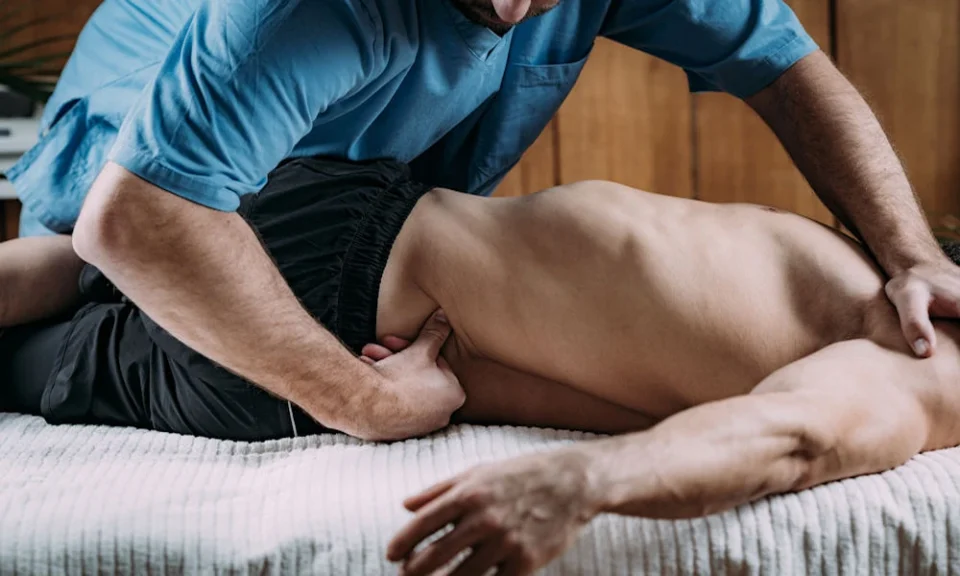
Sports massage is a specialised form of soft tissue therapy designed to assess and treat muscles, tendons, fascia, and surrounding tissues.
Despite its name, sports massage isn’t just for athletes. Office workers, manual labourers, runners, cyclists, gardeners, and anyone experiencing muscular tension can benefit from treatment.
Sports massage is generally most appropriate once the acute inflammatory stage has settled, although your therapist will tailor treatment according to your injury and stage of recovery.
How Sports Massage Helps Recovery
Reduces Muscle Tension
Following an injury, nearby muscles often tighten to protect the affected area. While this protective response is normal, excessive tension can lead to stiffness, discomfort, and altered movement patterns.
Sports massage helps release tight muscles, encouraging them to relax and function more efficiently.
Improves Circulation
Massage encourages healthy blood flow to soft tissues.
Improved circulation delivers oxygen and nutrients needed for tissue repair while supporting the removal of metabolic waste products that can contribute to soreness.
Although massage isn’t a miracle cure, improved circulation creates a healthier environment for recovery.
Restores Flexibility and Mobility
Following injury, muscles and connective tissues can become shortened or restricted.
Sports massage helps improve tissue flexibility, allowing joints to move more freely. Combined with appropriate stretching and rehabilitation exercises, this can help restore normal movement patterns and reduce compensatory strain elsewhere in the body.
Reduces Scar Tissue Restrictions
As injured tissues heal, scar tissue naturally develops.
While scar tissue is an important part of healing, it can sometimes become disorganised or restrict movement if left unmanaged.
Appropriate sports massage techniques may help encourage more mobile, supple tissue, particularly when combined with a structured rehabilitation programme.
Helps Manage Pain
Massage stimulates sensory receptors in the skin and muscles, which may help reduce pain perception through natural neurological mechanisms.
Many clients also report feeling relaxed after treatment, which helps reduce stress and muscle guarding that can contribute to ongoing discomfort.
Sports Massage for Everyday Aches
You don’t need to have suffered an obvious injury to benefit from sports massage.
Many common aches develop gradually due to modern lifestyles.
Examples include:
- Neck and shoulder tension from computer work
- Lower back discomfort from prolonged sitting
- Tight calves after running
- Hip stiffness from long car journeys
- Sore legs after hiking or cycling
- Muscle fatigue following strength training
Regular treatment can help identify areas of tension before they become more significant problems, allowing you to maintain better movement and comfort.
What Happens During a Sports Massage?
If you’ve never had a sports massage before, you may wonder what to expect.
Your appointment will usually begin with a consultation discussing:
- Your symptoms
- Medical history
- Lifestyle
- Exercise habits
- Previous injuries
- Recovery goals
Your therapist may assess your posture, movement, flexibility, and muscle function before beginning treatment.
The massage itself often combines several techniques, including:
- Deep tissue massage
- Trigger point therapy
- Soft tissue release
- Myofascial techniques
- Compression
- Stretching
Some areas may feel tender, particularly where muscles are tight, but treatment should remain manageable. Good communication with your therapist helps ensure pressure is appropriate throughout the session.
Recovery After Your Massage
It’s common to feel pleasantly relaxed immediately after treatment.
Some people also experience mild soreness for 24 to 48 hours as tissues adapt to treatment. This is usually temporary and often followed by improved mobility.
To maximise the benefits:
- Drink plenty of water.
- Stay gently active.
- Avoid intense exercise immediately after treatment unless advised otherwise.
- Follow any stretching or strengthening exercises recommended by your therapist.
- Get adequate sleep to support tissue repair.
Recovery is rarely about a single treatment. Depending on your injury, several sessions alongside rehabilitation exercises may provide the best results.
When Sports Massage May Not Be Appropriate
Although sports massage is safe for most people, there are situations where treatment should be delayed or avoided.
These include:
- Recent fractures
- Acute infections
- Open wounds
- Certain skin conditions
- Deep vein thrombosis
- Unexplained swelling
- Some medical conditions without medical clearance
A qualified sports massage therapist will always take a thorough medical history to ensure treatment is suitable and will refer you to another healthcare professional if necessary.
Combining Sports Massage with Other Recovery Strategies
Sports massage works best as part of a well-rounded recovery plan rather than as a standalone solution.
Other helpful recovery habits include:
- Progressive strengthening exercises
- Mobility training
- Balanced nutrition
- Staying hydrated
- Good quality sleep
- Managing stress
- Gradually returning to activity
Together, these approaches support your body’s natural healing processes and reduce the likelihood of future injuries.
Final Thoughts
Aches, sprains, and muscular discomfort can interrupt both everyday life and sporting activities, but they don’t have to keep you sidelined for long.
Giving your body time to recover, following sensible rehabilitation advice, and seeking appropriate treatment can all make a meaningful difference to your recovery journey.
Sports massage offers far more than simple relaxation. By helping reduce muscle tension, improve movement, encourage healthy circulation, and support rehabilitation, it can become an effective part of recovering from soft tissue injuries and preventing future problems.
Whether you’re training for your next event, returning after an injury, or simply looking to move more comfortably in everyday life, investing in your recovery is one of the best decisions you can make. After all, recovery isn’t just about getting back to where you were, it’s about giving your body the support it needs to come back stronger, healthier, and ready for whatever comes next.